



Vitamin D sources and functions
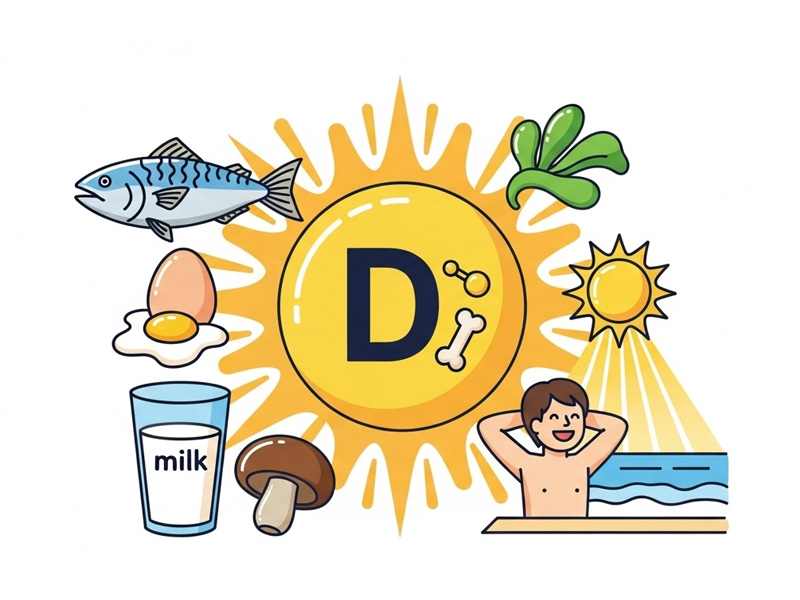
Here is a detailed overview of vitamin D sources and its critical functions in the body, presented in a clear, easy-to-understand format.
What is Vitamin D?
Vitamin D is a fat-soluble vitamin that functions primarily as a hormone. Its unique aspect is that your body can synthesize it when your skin is exposed to sunlight, which is why it’s often called the “sunshine vitamin.”
Functions of Vitamin D
Vitamin D is essential for overall health, with its most famous role being in bone health. However, its functions are far more widespread.
1. Bone Health and Calcium Regulation (Its Primary Job)
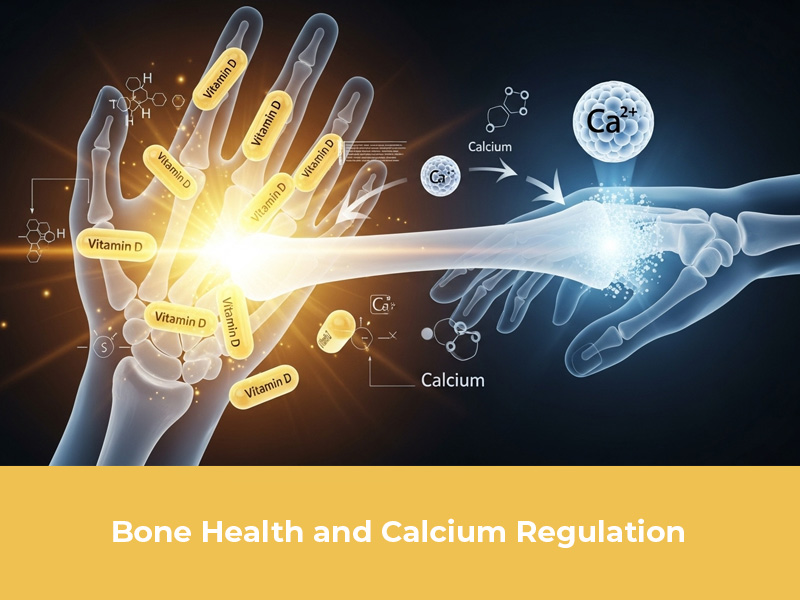
· Promotes Calcium Absorption: Vitamin D’s most critical function is to regulate the absorption of calcium and phosphorus from the small intestine. Without sufficient vitamin D, your body can only absorb 10-15% of dietary calcium.
· Maintains Bone Mineralization: By ensuring adequate calcium and phosphate levels in the blood, vitamin D allows for the proper mineralization (hardening) of bones. This is crucial for developing strong bones in children and maintaining bone density and strength in adults.
· Prevents Rickets and Osteomalacia: A severe deficiency in children causes rickets (soft, weak, and deformed bones). In adults, it causes osteomalacia (bone pain and muscle weakness).
2. Immune System Support
· Vitamin D modulates both the innate and adaptive immune systems.
· It helps activate T-cells (“soldier” cells) that identify and attack pathogens like bacteria and viruses.
· Adequate vitamin D levels are linked to a lower risk of infections, including respiratory tract infections.
3. Cell Growth and Regulation
· Vitamin D plays a role in controlling cell growth and communication.
· It may help promote the normal growth and death of cells, which is a crucial process for preventing uncontrolled cell growth (cancer).
4. Muscle Function
· Vitamin D receptors are present in muscle tissue. Adequate levels are necessary for muscle strength and contraction.
· Deficiency is a common cause of muscle weakness, pain, and an increased risk of falls, especially in the elderly.
5. Anti-inflammatory Effects
· It helps reduce chronic inflammation, which is linked to many modern diseases, including autoimmune conditions, heart disease, and diabetes.
6. Mood and Brain Health
· Receptors for vitamin D are found throughout the brain. It is believed to play a role in the release of neurotransmitters like serotonin, which affects mood. Low levels have been associated with seasonal affective disorder (SAD) and depression.
Sources of Vitamin D
There are three main ways to get vitamin D: sunlight, food, and supplements.
1. Sunlight (The Primary Source)
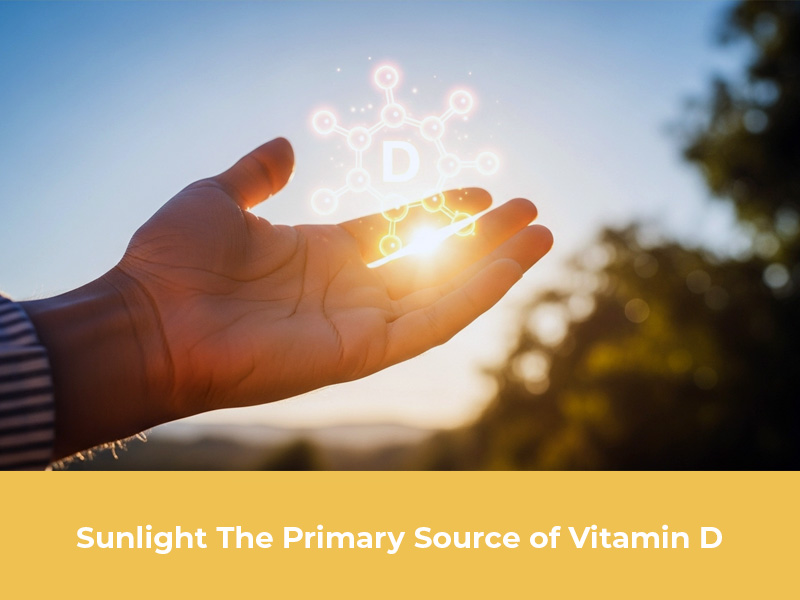
· How it works: When your bare skin is exposed to UVB rays from the sun, a cholesterol compound in your skin is converted into vitamin D3 (cholecalciferol).
· Factors affecting production:
· Time of Day/Season: Midday sun (10 am to 3 pm) is most effective. Production is significantly reduced or absent during winter in latitudes far from the equator.
· Skin Pigmentation: Melanin acts as a natural sunscreen. People with darker skin need more sun exposure to produce the same amount of vitamin D as someone with lighter skin.
· Age: The skin’s ability to produce vitamin D decreases with age.
· Sunscreen: While crucial for preventing skin cancer, sunscreen with an SPF of 30 can reduce vitamin D synthesis by over 95%.
Recommendation: Short, regular periods of sun exposure (e.g., 10-30 minutes, several times a week) on arms, legs, or face without sunscreen are often sufficient. The exact time varies greatly based on the factors above.
2. Dietary Sources
Very few foods naturally contain vitamin D. Fortified foods are the major dietary source.
Excellent Sources:
· Fatty Fish: Salmon, mackerel, tuna, sardines, and fish liver oils (like cod liver oil) are among the best natural sources.
· Egg Yolks: From hens that have been fed vitamin D.
Good Sources (Often Fortified):
· Cow’s Milk & Plant-Based Milks: Almost all cow’s milk in many countries is fortified with vitamin D. Many soy, almond, and oat milks are also fortified.
· Fortified Orange Juice
· Fortified Yogurt
· Fortified Cereals
Other Sources:
· Beef Liver
· Cheese (contains small amounts, rarely fortified)
· UV-Exposed Mushrooms: Some mushrooms (like maitake and shiitake) can produce vitamin D2 when exposed to ultraviolet light. Check the label.
3. Supplements
For many people, especially those with limited sun exposure, supplements are necessary to meet daily requirements.
· Two Main Forms:
· Vitamin D3 (Cholecalciferol): The same type produced by the sun and found in animal products. Generally considered more effective at raising and maintaining blood levels.
· Vitamin D2 (Ergocalciferol): Derived from plants (like mushrooms) and yeast.
· Who should consider them? People at high risk for deficiency, including:
· Older adults
· People with limited sun exposure (northern climates, indoor jobs)
· Those with darker skin
· Individuals with conditions that limit fat absorption (e.g., Crohn’s disease, celiac disease)
· People who are obese or have had gastric bypass surgery.
Important: Always consult with a healthcare provider before starting any supplement to determine the correct dosage for you.
Key Takeaway: Aim for sensible sun exposure, include vitamin D-rich foods in your diet, and talk to your doctor about testing your levels and whether a supplement is right for you.

Note: Always consult with a healthcare provider before starting any new supplements.