Sleepmaxxing: The New Health Trend Revolutionizing Wellness in 2026
What Is Sleepmaxxing?
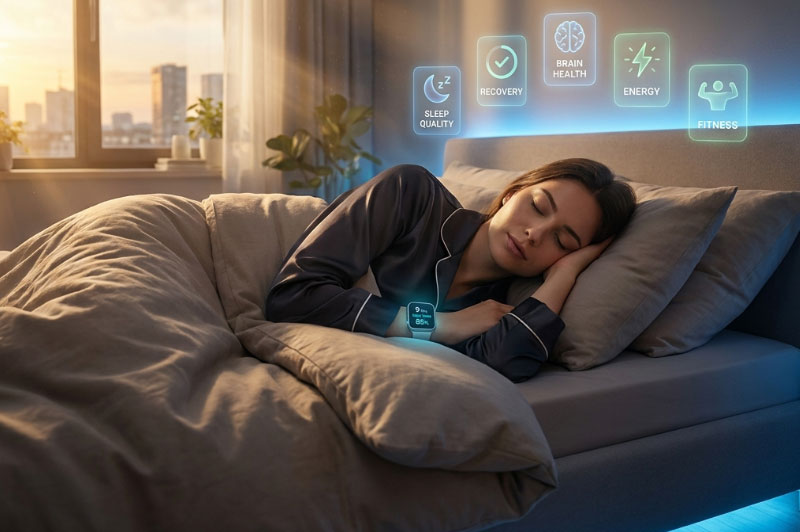
In a world obsessed with productivity, fitness, and self-improvement, a new wellness trend is taking center stage: Sleepmaxxing. Unlike traditional health trends that focus on intense workouts or restrictive diets, sleepmaxxing is all about optimizing sleep quality to maximize physical health, mental performance, and overall well-being.


Sleepmaxxing combines science-backed sleep habits, advanced sleep-tracking technology, and lifestyle adjustments designed to help individuals achieve the best sleep possible. As more research highlights the importance of restorative sleep, health-conscious individuals are embracing sleepmaxxing as a cornerstone of modern wellness.

Why Sleepmaxxing Is Trending
The popularity of sleepmaxxing has surged due to growing awareness of sleep’s impact on nearly every aspect of health. Studies consistently show that poor sleep is linked to weight gain, weakened immunity, reduced cognitive function, and increased risk of chronic diseases.
Social media platforms, wellness influencers, and health experts have amplified the conversation around sleep optimization. Instead of glorifying sleepless nights and hustle culture, many people are now prioritizing quality rest as the ultimate performance enhancer.
The trend has become particularly popular among entrepreneurs, athletes, fitness enthusiasts, and professionals seeking a competitive edge through better recovery and mental clarity.
The Science Behind Sleepmaxxing
Sleep is not simply a period of rest. During sleep, the body undergoes essential processes that support recovery and regeneration.
Some key benefits of quality sleep include:
- Muscle repair and growth
- Hormonal balance
- Enhanced memory and learning
- Improved immune function
- Better emotional regulation
- Increased energy levels
- Faster fat loss and metabolism support
Sleepmaxxing aims to optimize these benefits by creating ideal conditions for deep and REM sleep, the two most restorative stages of the sleep cycle.
Key Sleepmaxxing Techniques
1. Maintaining a Consistent Sleep Schedule
One of the most important principles of sleepmaxxing is going to bed and waking up at the same time every day.
A consistent schedule helps regulate the body’s circadian rhythm, making it easier to fall asleep and wake up naturally. Even on weekends, sleepmaxxers aim to maintain their routine to avoid disrupting their internal clock.
2. Optimizing Bedroom Environment
Your sleep environment plays a significant role in sleep quality.
Sleepmaxxing experts recommend:
- Keeping the room cool (around 18–20°C)
- Using blackout curtains
- Eliminating noise distractions
- Investing in a quality mattress and pillows
- Reducing clutter to create a calming atmosphere
A sleep-friendly bedroom can dramatically improve the quality and duration of sleep.
3. Limiting Blue Light Exposure
Smartphones, tablets, and computers emit blue light that can suppress melatonin production.
Melatonin is the hormone responsible for regulating sleep. To maximize sleep quality, sleepmaxxers often:
- Avoid screens 1–2 hours before bed
- Use blue-light-blocking glasses
- Enable night mode on devices
- Replace evening screen time with reading or relaxation activities
4. Tracking Sleep Data
Modern wearable technology has made sleep optimization easier than ever.
Popular sleep-tracking devices monitor:
- Sleep duration
- Heart rate variability
- Resting heart rate
- Sleep stages
- Oxygen saturation
By analyzing sleep data, individuals can identify patterns and make adjustments to improve recovery and performance.
5. Practicing Sleep Hygiene
Good sleep hygiene forms the foundation of sleepmaxxing.
Healthy sleep habits include:
- Avoiding caffeine late in the day
- Limiting alcohol consumption
- Eating balanced evening meals
- Creating a relaxing bedtime routine
- Avoiding intense exercise close to bedtime
These practices help prepare the body and mind for restful sleep.
Sleepmaxxing and Weight Loss
One reason sleepmaxxing has gained attention in the fitness community is its connection to weight management.
Poor sleep can disrupt hunger hormones such as ghrelin and leptin, leading to increased cravings and overeating. Sleep deprivation may also reduce motivation to exercise and negatively impact metabolism.
Research suggests that individuals who consistently get sufficient sleep are more likely to maintain a healthy weight and achieve their fat-loss goals.
For those pursuing weight loss, optimizing sleep may be just as important as diet and exercise.
Mental Health Benefits of Sleepmaxxing
Sleep and mental health are deeply interconnected.
Inadequate sleep has been associated with:
- Anxiety
- Depression
- Mood swings
- Stress
- Difficulty concentrating
Sleepmaxxing encourages habits that support emotional resilience and mental clarity. Many individuals report improved focus, better decision-making, and greater productivity after prioritizing sleep quality.
As mental wellness becomes a major health priority, sleepmaxxing offers a practical and accessible solution.
Sleepmaxxing for Athletes and Fitness Enthusiasts
Athletes have long recognized the importance of sleep for performance and recovery.
During deep sleep, the body releases growth hormone, which supports muscle repair and recovery. Sleep also helps replenish energy stores and reduce inflammation.
Benefits for athletes include:
- Faster recovery
- Increased strength
- Improved endurance
- Better reaction time
- Reduced injury risk
Many professional sports teams now incorporate sleep optimization strategies into their training programs, making sleepmaxxing an essential component of athletic success.
Common Sleepmaxxing Tools and Products
The growing popularity of sleepmaxxing has led to increased demand for sleep-enhancing products.
Popular options include:
- Smart mattresses
- Sleep-tracking wearables
- White noise machines
- Blackout curtains
- Cooling pillows
- Weighted blankets
- Sunrise alarm clocks
While these tools can support better sleep, experts emphasize that healthy sleep habits remain the most important factor.
Potential Downsides of Sleepmaxxing
Like any wellness trend, sleepmaxxing can become counterproductive if taken to extremes.
Some individuals may become overly focused on sleep metrics and data, leading to anxiety about achieving “perfect” sleep. This phenomenon is sometimes referred to as orthosomnia, where excessive concern about sleep quality actually makes sleep worse.
The goal of sleepmaxxing should be improvement rather than perfection. Flexibility and balance remain essential for long-term well-being.
How to Start Sleepmaxxing Today
If you’re interested in improving your sleep, start with these simple steps:
- Set a consistent bedtime.
- Wake up at the same time daily.
- Reduce screen exposure before bed.
- Keep your bedroom cool and dark.
- Limit caffeine in the afternoon.
- Develop a calming nighttime routine.
- Track your sleep patterns if desired.
- Aim for 7–9 hours of quality sleep each night.
Small changes can produce significant improvements in energy, focus, and overall health.
Final Thoughts
Sleepmaxxing is more than just another wellness trend—it reflects a growing understanding that quality sleep is one of the most powerful tools for improving health, fitness, and performance. As people move away from burnout culture and prioritize recovery, sleep optimization is becoming a fundamental pillar of modern wellness.
Whether your goal is weight loss, improved mental health, enhanced athletic performance, or simply feeling your best every day, sleepmaxxing offers a science-backed approach to unlocking your body’s full potential. In 2026 and beyond, getting better sleep may be the smartest health investment you can make.