
The Ultimate Guide to Pilates: Benefits, Types, and How to Get Started
In a world where high-intensity interval training (HIIT) and heavy weightlifting often dominate fitness headlines, one low-impact discipline continues to transform bodies and quiet minds: Pilates.

Developed in the early 20th century, Pilates has evolved from a rehabilitation exercise for athletes and dancers into a worldwide wellness movement. Whether you are looking to fix posture, alleviate chronic back pain, build lean muscle, or enhance core stability, Pilates offers a proven, research-backed system that adapts to every fitness level.
This comprehensive guide breaks down everything you need to know about Pilates—how it works, its health benefits, key differences between styles, and how to start your journey today.

What is Pilates?
Pilates is a form of low-impact exercise that emphasizes core strength, flexibility, muscle tone, and body awareness. Developed by German physical trainer Joseph Pilates in the 1920s—who originally named the discipline Contrology—it integrates deliberate physical movements with breathwork.
Unlike traditional cardiovascular workouts that rely on rapid repetition or heavy loads, Pilates focuses on precise, controlled movements. Every exercise targets deep structural muscles, specifically the “powerhouse” (the abdominal wall, lower back, pelvic floor, hips, and glutes).

Key Health Benefits of Pilates
Why has Pilates remained a staple in physical therapy and boutique fitness for over a century? The health benefits extend far beyond a toned stomach.
1. Deep Core Strength and Stability
While traditional crunches only target superficial abdominal muscles, Pilates engages the deepest layers, including the transverse abdominis. A strong core stabilizes the spine, improves balance, and generates power for everyday movements.
2. Improved Posture and Spinal Alignment
Modern sedentary lifestyles often lead to rounded shoulders and forward-head posture. Pilates counteracts “desk posture” by strengthening the posterior chain (upper back, hamstrings, and glutes) and lengthening tight hip flexors and chest muscles.
3. Reduced Back Pain
Numerous clinical studies show that regular Pilates practice effectively manages and prevents lower back pain. By building a supportive muscular framework around the lumbar spine and improving pelvic alignment, practitioners relieve undue stress on spinal discs.
4. Low-Impact Strength Building
Pilates uses body weight or spring resistance rather than heavy weights, making it gentle on the joints. It strengthens muscles through eccentric contractions—lengthening muscles under tension—which results in long, lean, and functional muscle tone without joint impact.
5. Mind-Body Connection and Stress Relief
By emphasizing controlled breath matched to movement, Pilates promotes mindfulness. Concentrating on form and precision pulls your attention away from daily stressors, activating the parasympathetic nervous system to reduce anxiety.
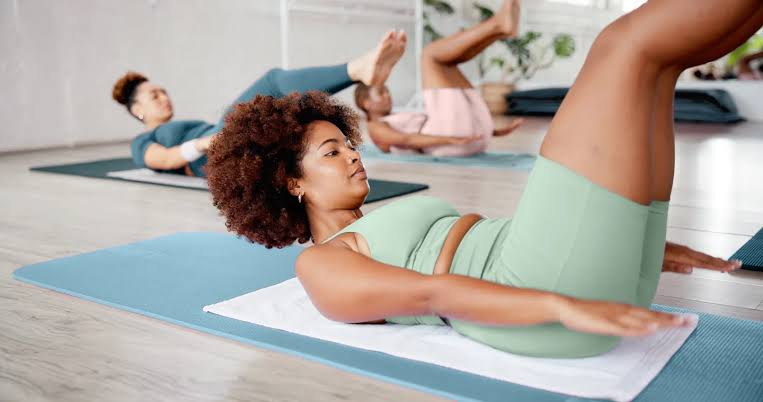

Mat Pilates vs. Reformer Pilates: Which Is Right for You?
When choosing a Pilates class, you will generally encounter two primary modalities: Mat Pilates and Reformer Pilates.
| Feature | Mat Pilates | Reformer Pilates |
| Equipment | Yoga/Pilates mat; optional props (bands, rings, balls) | Reformer machine (sliding carriage, springs, straps) |
| Resistance Source | Body weight and gravity | Variable spring tension |
| Accessibility | Highly accessible; can be practiced anywhere | Requires studio access or home equipment |
| Best For | Building body awareness and core fundamentals | Adding resistance, rehab, and dynamic support |
| Cost | Budget-friendly | Premium / Studio membership |
Mat Pilates
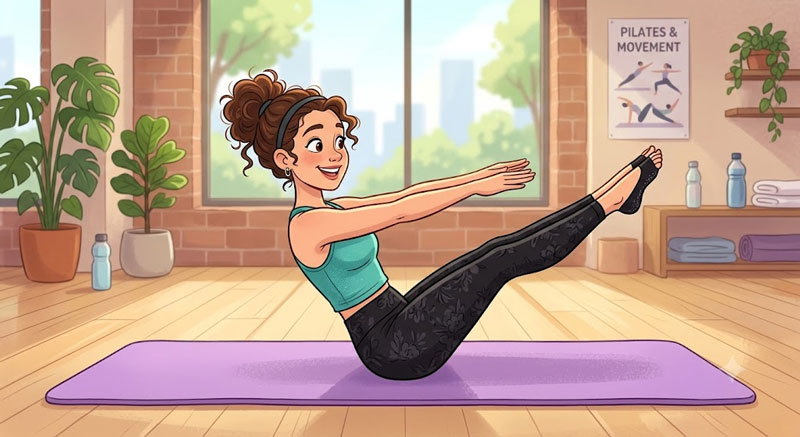
Mat Pilates is the foundation of the practice. Performed on a cushioned mat, you use your own body weight to create resistance. It requires zero fancy equipment, making it ideal for home workouts and travel.
Reformer Pilates
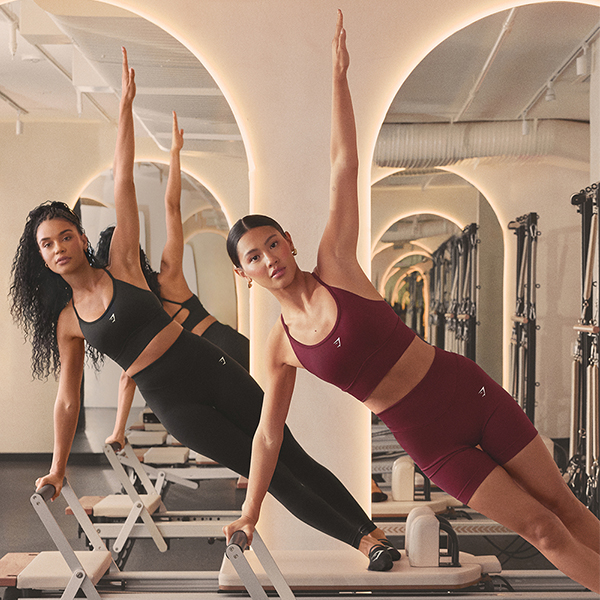
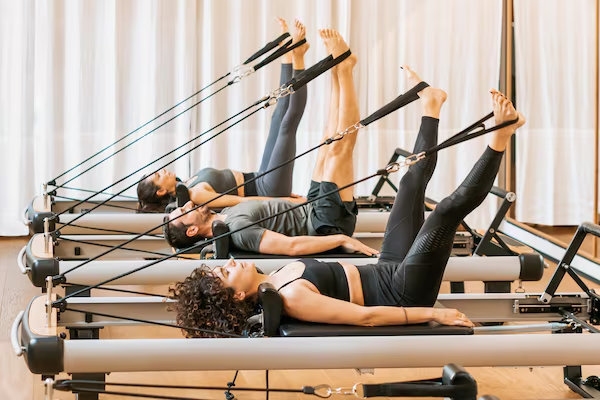
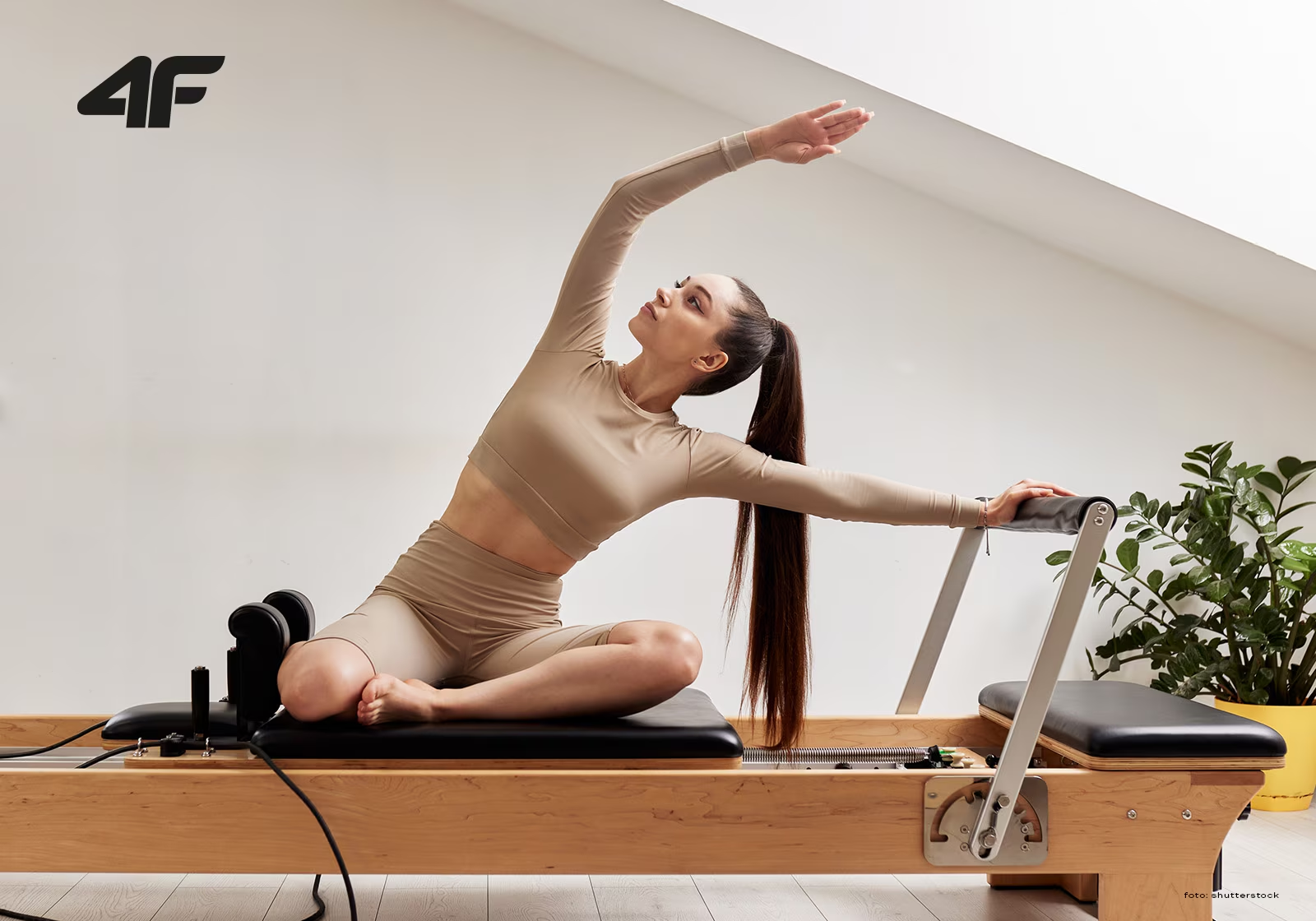
Reformer Pilates utilizes a specialized machine featuring a sliding carriage attached to a frame by a system of springs and pulleys. The springs provide varying levels of resistance, which can either assist a movement (making it easier for rehabilitation) or add tension (challenging strength and stability).

The 6 Principles of Pilates
To get the most out of every workout, Joseph Pilates established six core principles that govern every movement:
-
Centering: Bringing physical focus to the core (“powerhouse”), from which all movement originates.
-
Control: Executing every motion with full muscle control rather than relying on momentum.
-
Concentration: Giving complete mental awareness to each movement to maximize physical results.
-
Precision: Performing fewer repetitions with correct technique rather than many repetitions with poor form.
-
Breath: Coordinating deep diaphragmatic breathing with movement to pump oxygen into muscles and clear tension.
-
Flow: Executing movements with smooth, continuous elegance, connecting one exercise seamlessly to the next.
How to Get Started with Pilates: A Beginner’s Guide
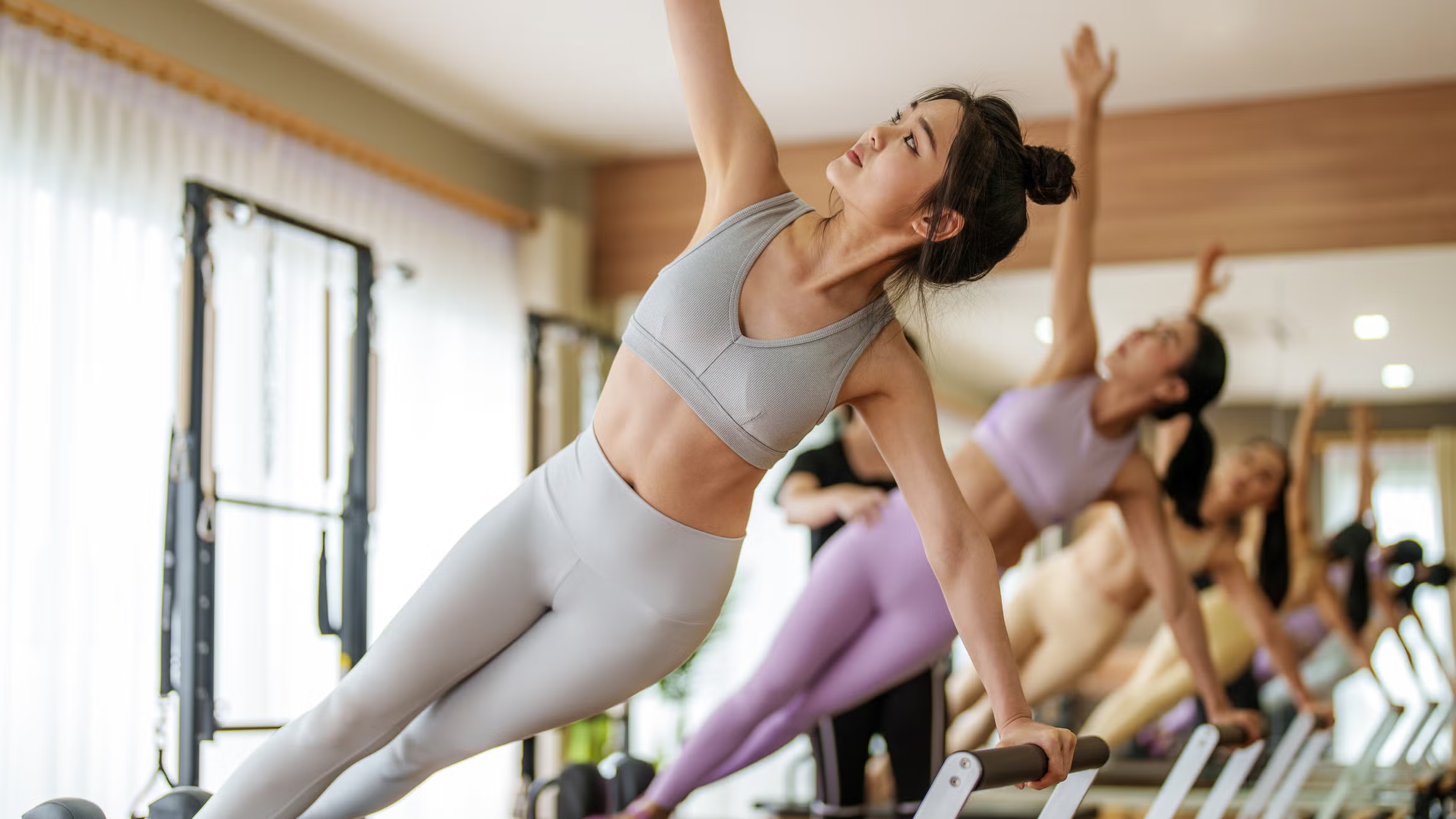

Starting a new routine can feel overwhelming, but Pilates is inherently adaptable to any age or physical condition.
Preparation  ──>  Basic Form  ──>  Consistency  ──>  Progression
(Gear & Space)    (Breathing)     (2-3x / week)    (Reformer/Props)
Essential Gear
-
Mat: Choose a thicker mat (1/2 inch) than a standard yoga mat to protect your spine during rolling exercises.
-
Clothing: Wear form-fitting attire without zippers or buckles so your instructor can observe your form and alignment.
-
Grip Socks: Many studios require socks with rubberized treads for traction on the Reformer carriage.
Beginner Safety Tips
-
Listen to Your Body: Pilates should feel challenging, but it should never cause sharp pain.
-
Prioritize Form Over Reps: Focus on quality of movement. Five well-executed roll-ups are more beneficial than 20 sloppy ones.
-
Inform Your Instructor: If you have pre-existing injuries or spinal conditions (like herniated discs), let your instructor know before class so they can offer necessary modifications.

Frequently Asked Questions (FAQs)
How many times a week should I do Pilates?
For best results, aim for 2 to 4 sessions per week. Joseph Pilates famously said: “In 10 sessions you’ll feel the difference, in 20 sessions you’ll see the difference, and in 30 sessions you’ll have a whole new body.”
Can Pilates help with weight loss?
While Pilates is primarily a resistance and movement-reeducation discipline rather than a calorie-heavy cardio workout, it aids weight loss by building lean body mass, which boosts resting metabolic rate. Combining Pilates with a balanced nutrition plan and regular cardiovascular activity supports sustainable weight management.
Is Pilates similar to Yoga?
While both emphasize mind-body awareness, breath control, and core stability, they differ in execution. Yoga typically holds static postures and incorporates spiritual elements, whereas Pilates focuses on dynamic, precise movements centered around core strength and spinal health.
The Bottom Line
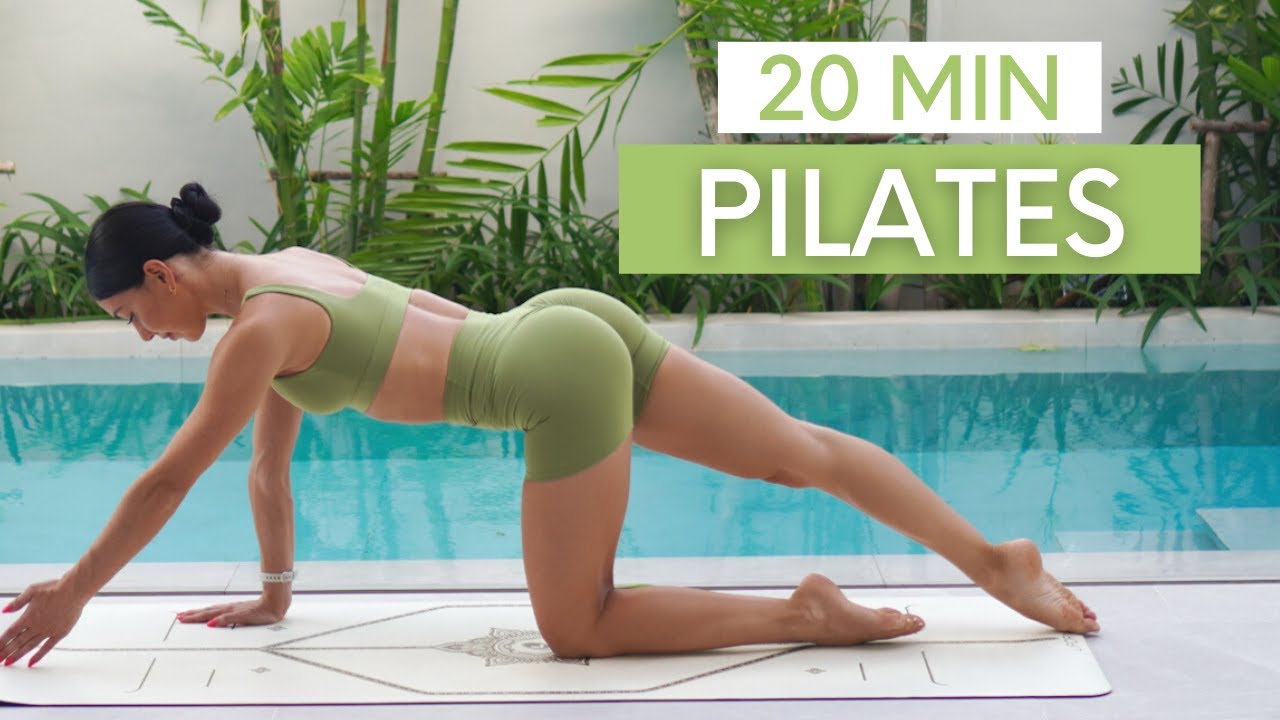
Pilates is more than just a workout—it is an investment in functional longevity, joint mobility, and body control. Whether you opt for a quick 20-minute mat session at home or a group Reformer class at a local studio, incorporating Pilates into your weekly fitness routine will help you move better, stand taller, and live without pain.