


how to lose weight

Losing weight can feel overwhelming with the endless cycle of trend diets, detoxes, and extreme workout plans promising overnight transformations. However, real, lasting fat loss doesn’t come from quick fixes.
If you want to shed body fat and keep it off for good, the secret lies in building sustainable habits that fit your lifestyle. In this step-by-step guide, you will learn the fundamental pillars of healthy weight loss—from managing your intake to optimizing your movement and recovery.
The Core Principle: Understanding the Calorie Deficit
Before diving into specific diets or workout routines, it’s essential to understand the underlying science of fat loss.
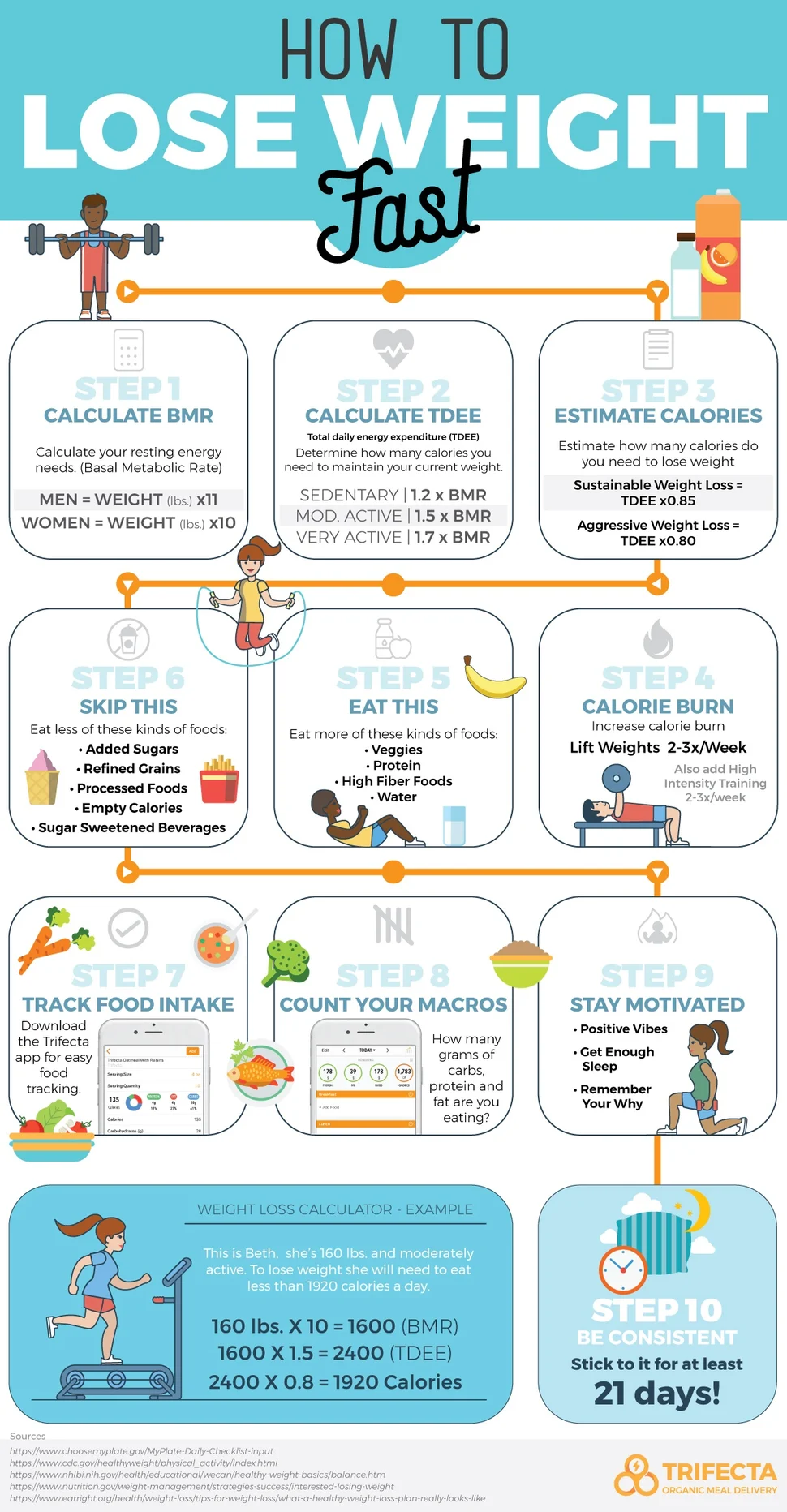
To lose weight, your body must be in a calorie deficit. This means you consume fewer calories than your body expends throughout the day.
Calories Consumed < Calories Expended = Weight Loss
While a calorie deficit is mandatory for weight loss, how you achieve it determines whether you lose muscle or fat, and whether you can maintain your results. Aim for a conservative deficit of 300 to 500 calories per day below your maintenance level. This allows for a safe, steady rate of weight loss (about 0.5 to 1.5 pounds per week) without tanking your energy or metabolic rate.
Pillar 1: Smart Nutrition Strategy
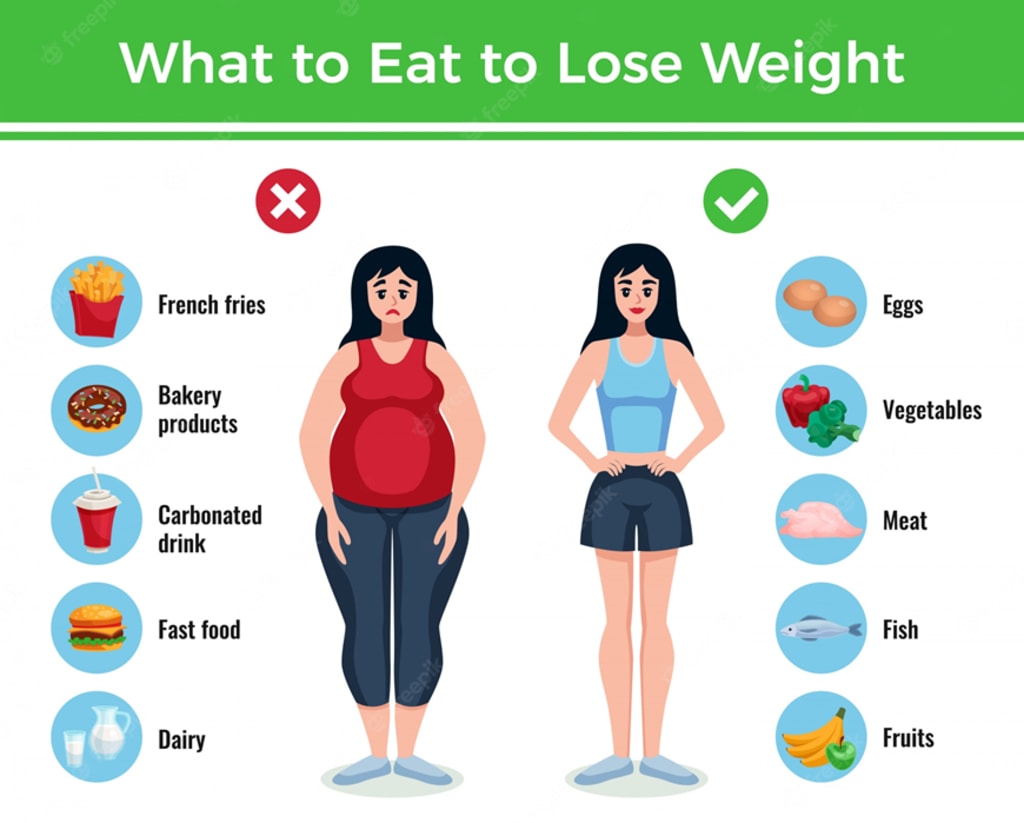
You don’t need to eliminate entire food groups to lose weight. Instead, focus on adding nutrient-dense foods that naturally regulate your appetite.
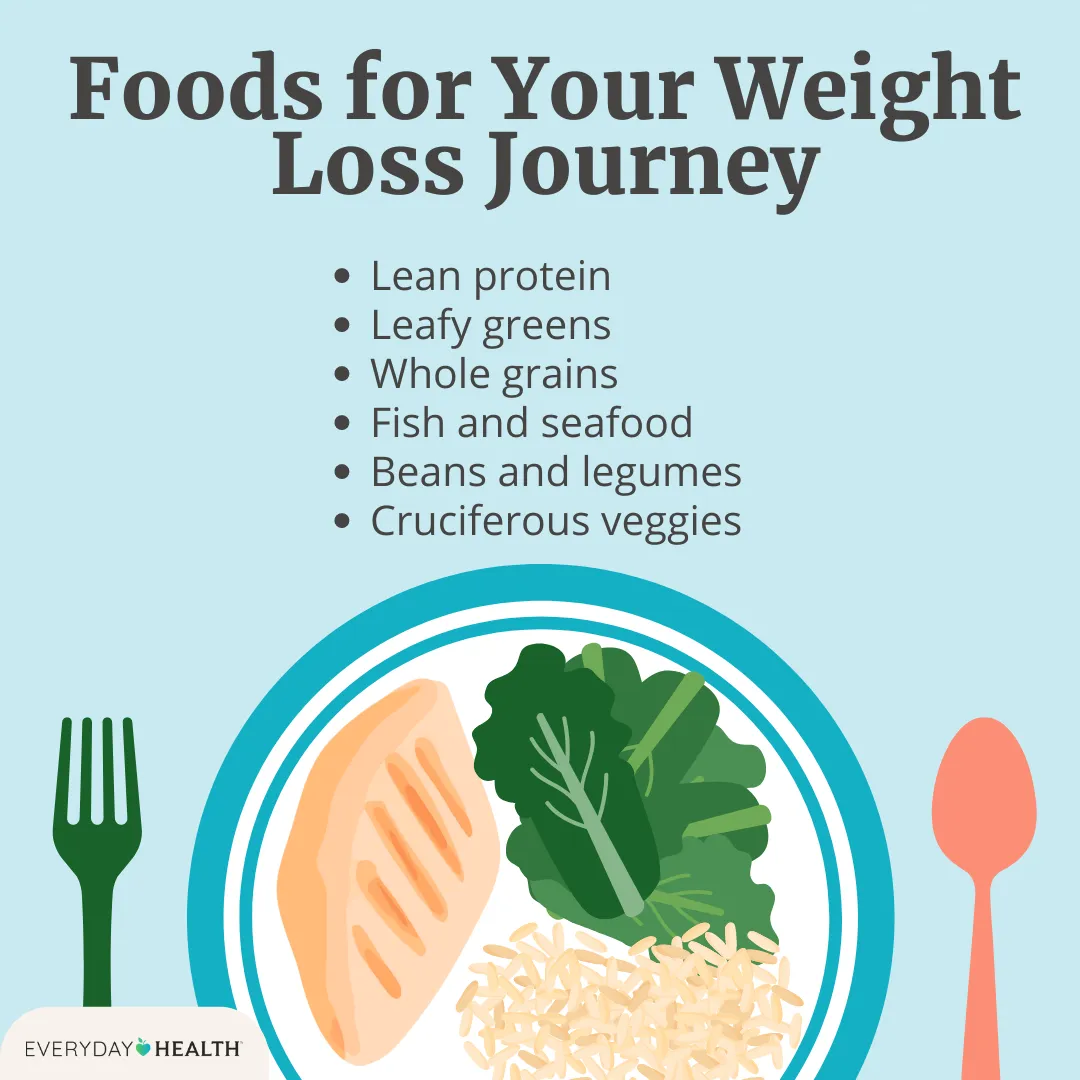
1. Prioritize Lean Protein at Every Meal
Protein is the most critical macronutrient when you are in a calorie deficit.
-
High Thermic Effect: Your body burns more calories digesting protein than it does digesting fats or carbohydrates.
-
Preserves Muscle: Eating enough protein ensures that the weight you lose comes from fat, not lean muscle mass.
-
Satiety: Protein keeps you fuller for longer, curbing mid-day cravings.
Top sources include: Chicken breast, turkey, eggs, wild-caught fish, Greek yogurt, tofu, and legumes.
2. Fill Half Your Plate with High-Volume Foods
“Volume eating” is a practical strategy where you eat larger quantities of food with lower total calories. High-fiber vegetables and fruits pack water and dietary fiber, expanding in your stomach to signal fullness to your brain.
-
Non-starchy veggies: Leafy greens, broccoli, cauliflower, cucumbers, bell peppers, and zucchini.
-
High-fiber fruits: Berries, apples, and pears.
3. Reduce Ultra-Processed Foods and Liquid Calories
Sodas, sweetened coffees, energy drinks, and heavily processed snacks are calorie-dense but nutritionally poor. They cause rapid spikes in blood sugar followed by energy crashes, driving increased hunger shortly after eating. Swap sugary drinks for water, sparkling water, or unsweetened herbal tea.
Pillar 2: Effective Movement and Exercise
While nutrition drives the calorie deficit, exercise helps preserve lean tissue, enhances metabolic health, and accelerates fat loss.
┌─────────────────────────────────────────────────────────┐
│                    MOVEMENT STRATEGY                    │
├──────────────────────────┬──────────────────────────────┤
│ Resistance Training      │ 3–4 Days / Week              │
│ Daily NEAT (Walking)     │ 7,000–10,000 Steps / Day     │
│ Cardio / HIIT            │ 2 Days / Week (Optional)     │
└──────────────────────────┴──────────────────────────────┘
1. Lift Weights to Protect Muscle
Strength training tells your body to hold onto muscle tissue while burning stored fat for energy. Focus on compound movements—such as squats, lunges, push-ups, and rows—which recruit multiple muscle groups and maximize energy expenditure.
2. Maximize NEAT (Non-Exercise Activity Thermogenesis)
NEAT refers to all the energy you burn through daily movement outside of formal exercise (walking, taking the stairs, cleaning, standing). Increasing your daily step count is one of the easiest, lowest-stress ways to burn additional calories without causing excessive physical fatigue.
Pillar 3: Recovery, Sleep, and Stress Management
Weight loss isn’t just about what you eat and how you move; it’s also heavily regulated by your hormonal balance.
       [ Sleep Deprivation ] ──► Increases Ghrelin (Hunger)
                                ──► Decreases Leptin (Fullness)
                                ──► Higher Cravings for Sugar & Carbs
1. Optimize Sleep Quality
Skimping on sleep disrupts appetite-regulating hormones:
-
Ghrelin (the hormone that stimulates appetite) increases.
-
Leptin (the hormone that signals fullness) decreases.
Aim for 7 to 9 hours of quality sleep each night to keep cravings in check and keep energy levels high for workouts.
2. Control Chronic Stress
When you experience prolonged stress, your body releases elevated levels of cortisol. High cortisol levels can lead to increased appetite, emotional eating, and a higher tendency to store visceral fat around the abdomen. Incorporate daily stress-relief practices such as short walks, meditation, or light stretching.
Actionable Tips to Stay Consistent
-
Track Your Progress Beyond the Scale: Weight fluctuates daily due to water retention, sodium intake, and stress. Take progress photos, measure body dimensions, and pay attention to how your clothes fit.
-
Batch Meal Prep: Keep healthy, pre-portioned meals in the fridge so you aren’t forced to rely on fast food when you’re busy or tired.
-
Focus on the 80/20 Rule: Base 80% of your dietary intake on whole, nutrient-rich foods, and reserve 20% for foods you enjoy purely for taste. This prevents feelings of restriction and long-term burnout.
Final Thoughts
Learning how to lose weight sustainably is a marathon, not a sprint. By setting a modest calorie deficit, prioritizing protein, staying active through strength training and daily walking, and getting adequate rest, you create an environment where fat loss happens naturally and stays off permanently.
Focus on making one small, positive change to your routine today, and build momentum from there.